
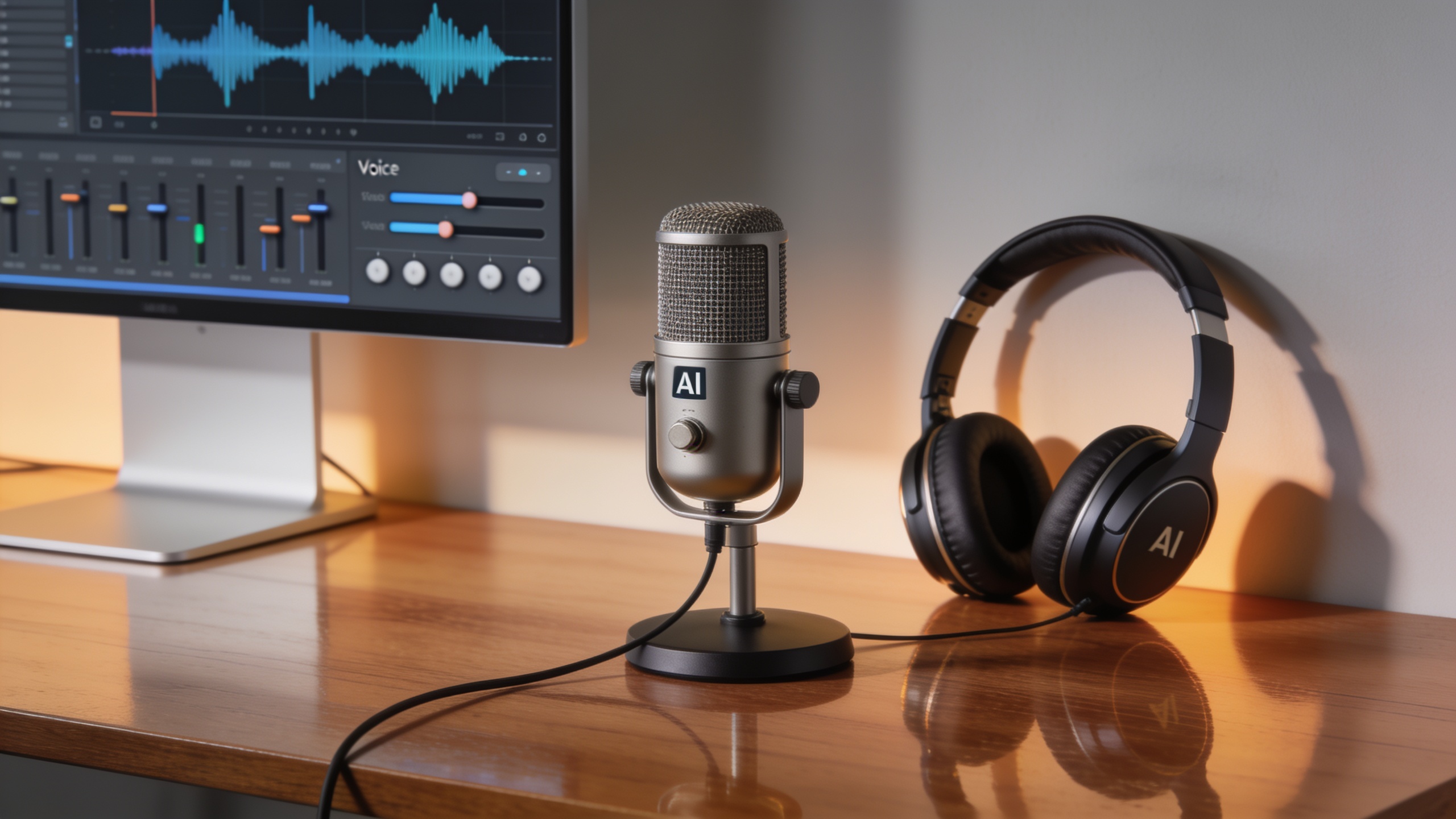
You've heard it already, even if you didn't clock it at the time. That suspiciously smooth narrator on a YouTube video. An audiobook that never once mentions who's reading it. A customer service line that sounds a little too polished to be a person having a normal Tuesday. That's AI voice generation, and it's everywhere now.
At its core, AI voice generation is just using artificial intelligence to turn text into spoken audio, or to copy someone's actual voice, without a microphone, a booth, or a voice actor parked in a chair for three hours. In 2025 it stopped being a party trick. It's a real production tool that creators, marketers, and businesses use to crank out audio at a scale no human could match by hand.
So let's get into what it actually is, how the tech works under the hood, why so many people are suddenly obsessed with it, and how you'd start if you've genuinely never touched an audio tool in your life.
Table of Contents
- What Is AI Voice Generation?
- How Does AI Voice Generation Work?
- Why Everyone's Suddenly Using This
- What to Actually Look For in a Platform
- What Does It Cost?
- Who's Using This, and For What
- Getting Started
- Frequently Asked Questions
What Is AI Voice Generation?
AI voice generation is technology that turns written text into natural-sounding speech, or recreates a specific person's voice, using machine learning models trained on huge piles of audio. Instead of hiring a voice actor or recording yourself every single time you have a script, you type or paste text into a tool and it spits out an audio file that sounds like a real human read it.
There are really two things happening under this umbrella, and people mix them up constantly. The first is text-to-speech (TTS), which just means generating spoken audio from written words using a synthetic voice. The second is voice cloning, where you build a digital replica of a specific person's voice, often from a short sample, so any text you throw at it gets spoken "in their voice."
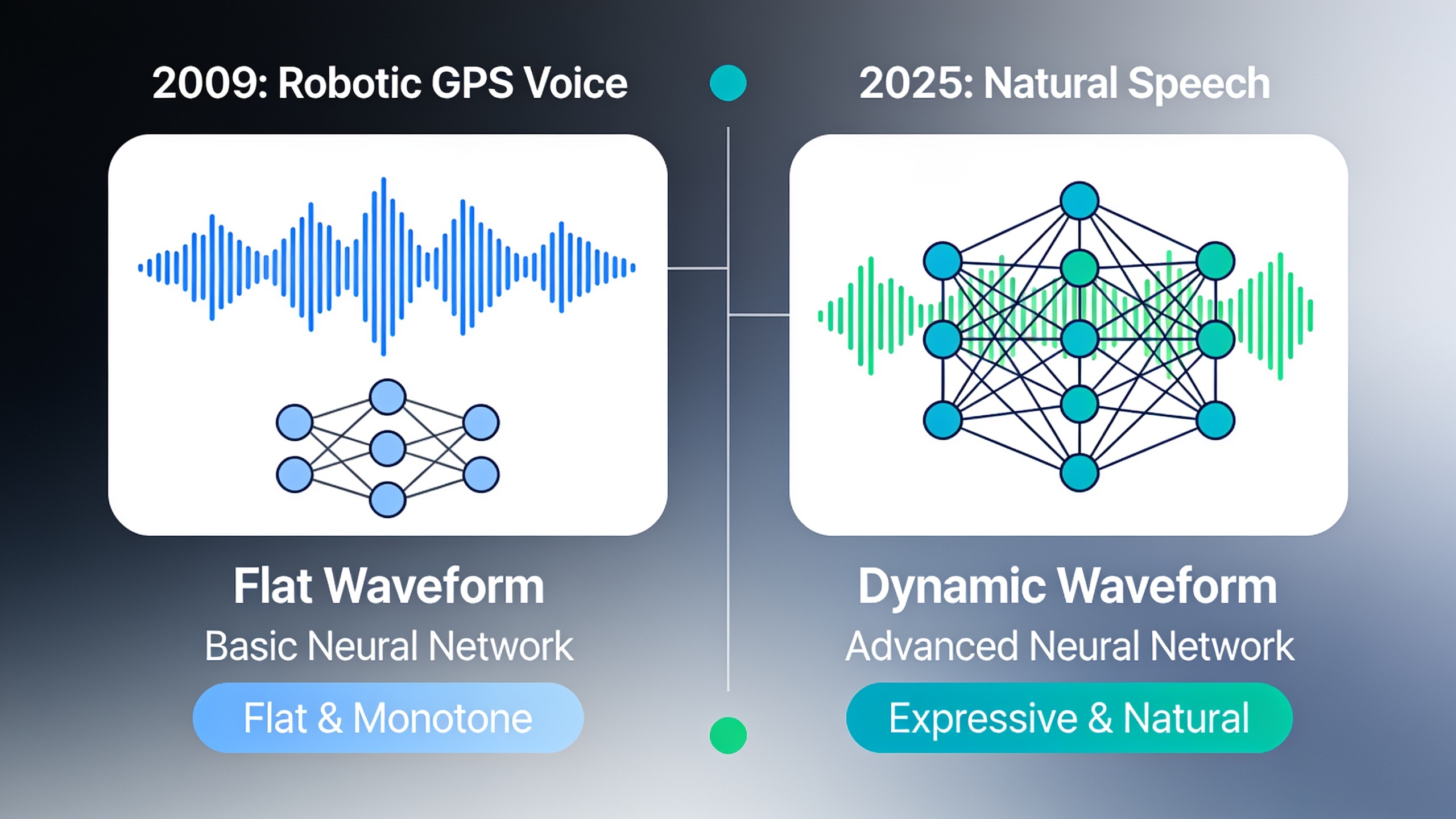
Both run on the same family of AI models. Neural networks, basically, trained to understand how pitch, rhythm, pauses, and emotional tone all combine into speech that doesn't make your skin crawl. And that last part matters. We're way past the flat, robotic GPS voice you remember from 2009. Modern systems catch pacing, emphasis, even emotional inflection, which is exactly why tools like Tarang pitch their output as "studio-quality" instead of just "computer-generated."
How Does AI Voice Generation Work?
AI voice generation works by training a neural network on a mountain of recorded human speech, then using that trained model to predict and synthesize brand-new audio from either text or a voice sample. In practice it runs through a pipeline with a few distinct stages, and honestly, once you get the pipeline, a tool like Tarang stops feeling like magic and starts making sense.
The Text-to-Speech Engine
Text-to-speech is the core engine that turns written words into audio. Feed it a sentence and the system first pulls the text apart linguistically. It breaks everything into phonemes (the smallest chunks of sound), figures out where the natural pauses go, and maps out the intonation. Then a neural model builds the actual audio waveform from that analysis, shaped by whatever voice profile you picked.
The old TTS systems stitched together pre-recorded syllables, which is why they sounded like a ransom note read aloud. Modern neural TTS generates speech end-to-end, so you get smoother transitions, better rhythm, and actual control over pitch, speed, and tone. Tarang's text-to-speech feature, for instance, is built to turn text into "natural, expressive speech with state-of-the-art AI models," with adjustable pitch, speed, and tone so the output fits the context instead of sounding like a robot reading a phone book.
How Voice Cloning Actually Happens
Voice cloning is the process of building a reusable digital profile of one specific voice, then using that profile to generate new speech in that person's vocal identity. Per Tarang's own product description, its voice cloning can create "ultra-realistic vocal replicas from just a few seconds of audio," using neural networks meant to capture accents, subtle nuances, and emotional inflections for content you can actually scale.
Tarang lays out its process in four stages. First there's research and prep, where your uploaded sample (usually 20 to 30 seconds of clean audio) gets cleaned, chopped into segments, and transcribed using voice activity detection and denoising tools. Then comes clone and train, where the system builds a reusable voice profile by matching your timbre and vocal quirks. After that it's generate and review, where the trained profile synthesizes speech from your script, with emotion controls and a preview so you're not flying blind. And finally download and export, where you get the finished audio as a studio-quality MP3 or WAV.
That's a solid mental model for how most modern cloning tools work, even though the exact architecture varies company to company. The big takeaway? You don't need hours of recordings anymore. A short, clean sample usually does the job.
Why Everyone's Suddenly Using This
AI voice generation is taking over content creation and business communication because it kills the two biggest headaches of traditional audio: cost and turnaround. Think about a podcaster who used to book a studio session, or a business paying hired talent to read call center scripts, or a course creator forced to re-record an entire lesson because they flubbed one word. All of that now happens with a text edit and a re-generation. Often in minutes.
For creators, that means you can produce narration, voiceovers, or dubbed audio without booking studio time. You can tweak a script without re-recording a whole episode. And you can localize content into other languages while keeping a consistent vocal identity, since platforms like Tarang do cross-lingual voice cloning across 100+ languages. That last one is genuinely underrated.
Businesses get their own version of the same win. On-brand voices for IVR phone systems and customer support. Training materials and internal comms produced at scale, in multiple regional languages, without hiring separate voiceover talent for every market. Plus a real accessibility angle, since text-based stuff like documentation, articles, and product descriptions can be turned into audio for people who'd rather listen than read.
This all fits a bigger pattern, if you've been paying attention. Automation keeps eating the repetitive production grunt work so humans can spend their brain cells on strategy and creative calls instead. The same logic pushing businesses toward AI voice tools has also driven the whole AI-assisted writing wave. Platforms like RobinRank, for example, automate SEO content writing, publishing, and backlink building so teams can think about strategy instead of manually drafting everything. It's the exact same story as AI voice freeing creators from the recording booth. Put text and voice automation together and it's kind of wild what a lean little content team can now ship in a single week.
What to Actually Look For in a Platform
The best AI voice platforms combine natural-sounding speech synthesis, accurate voice cloning, multilingual support, and enough manual control to fine-tune the output so it doesn't sound generic. Not every tool is equally deep in all of those, though, so it pays to know what you're comparing before you commit.
| Feature | What It Does | Why It Matters |
|---|---|---|
| Text-to-Speech (TTS) | Converts written text into spoken audio using AI voice models | Core function for narration, voiceovers, and accessibility |
| Voice Cloning | Builds a digital replica of a specific voice from a short sample | Lets creators scale content in their own voice without re-recording |
| Voice Library | Offers pre-built voices with different tones (e.g., warm, deep, calm) | Useful when you don't want to clone a real person's voice |
| Voice Separation | Isolates vocals from instrumentals in an existing audio track | Helpful for remixing, dubbing, or cleaning up source audio |
| Multilingual/Cross-lingual Support | Generates speech or clones a voice across many languages | Essential for global or multi-regional content strategies |
| Emotion/Tone Control | Adjusts pitch, speed, and expressiveness of generated speech | Prevents monotone, robotic-sounding output |
Tarang, for one, bundles a bunch of these into a single workflow: text-to-speech, voice cloning, a voice library with sample voices (its site lists options like "Priya — Female, Warm" or "Alex — Male, Deep"), voice separation for pulling vocals from instrumentals, and voice creation controls for dialing in pitch, speed, and tone. That combo actually stands out, because a lot of tools pick a lane. They're either pure TTS or pure cloning, not both under one roof.
What Does It Cost?
Prices are all over the map, honestly, and they depend on the platform, how much you're generating, and whether you need the fancy stuff like voice cloning versus plain text-to-speech. There's no single industry-standard number, because providers structure their free tiers, character or minute limits, and premium features completely differently.
One thing does hold across the category: most providers give you some kind of free access so you can test the waters before paying. Tarang, for example, offers its voice generation, TTS, voice cloning, voice library, and voice separation features for free, with support for more than 100 languages. If you're shopping around, go check each provider's site directly for the current limits on characters, generation minutes, and export formats. Those details shift as products evolve, and frankly no guide should be quoting specific price tiers that a company doesn't publish transparently itself.
When you're comparing, ask the real questions instead of just squinting at the advertised price. Does the free tier actually include voice cloning, or just the standard TTS voices? Are there caps on languages or monthly characters? Can you export in the formats you need (MP3, WAV)? And is there a price gap between using pre-built library voices and cloning your own? Those four answers tell you way more than a headline number.
Who's Using This, and For What
AI voice generation shows up in basically every industry that produces spoken content, from entertainment and education to customer service and marketing. The specific use changes, but the core value doesn't: faster production, lower cost, more language flexibility.
In content and media, podcasters, YouTubers, and indie creators lean on cloning and TTS to make narration without studio time and to keep a consistent voice across a long-running series. Game studios and voice artists use it too, mostly to prototype dialogue before they commit to final recording sessions.
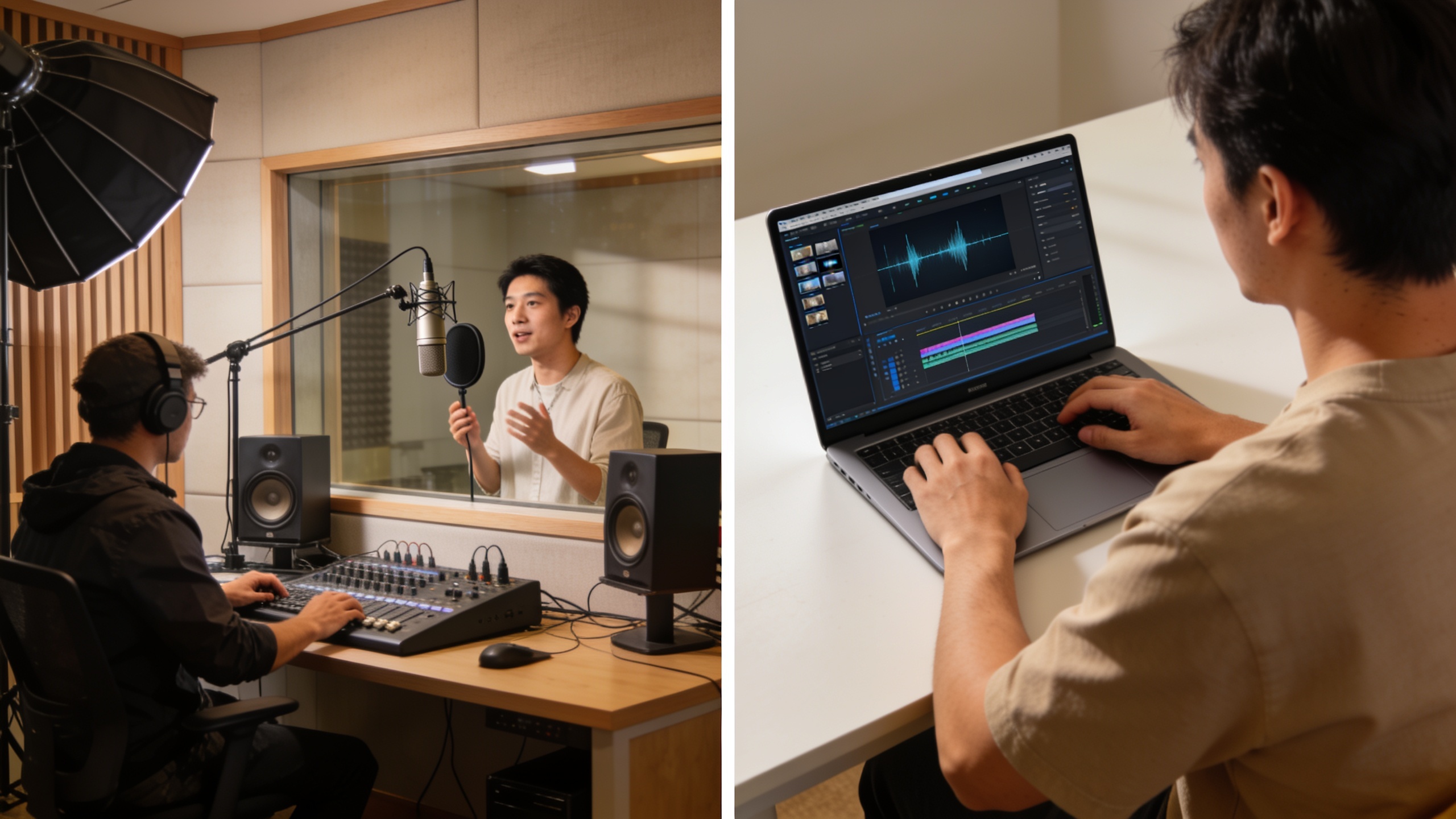
On the business side, companies use AI voices for IVR systems, internal training modules, and multilingual support scripts, especially when they need the exact same message delivered the exact same way across a bunch of regions. Education runs on it as well. Course creators turn written lesson scripts into narrated audio and can fix one wrong sentence without re-recording an entire module, which anyone who's ever recorded a tutorial will tell you is a small miracle.
Localization is where things get interesting. Because cross-lingual cloning preserves the character of a voice across languages, teams can adapt one piece of content into a stack of regional languages (Tarang lists Hindi, Gujarati, Marathi, Tamil, Telugu, Bengali, Kannada, and Malayalam among them) without hiring separate voice talent per market. And then there's accessibility, plain and simple: articles, product manuals, and docs can all be converted into spoken audio for people who prefer or need it.
Getting Started
Getting started usually comes down to four moves: pick a platform, prep your input (a script or a voice sample), generate the audio, then review and export. It's built to be usable by people with zero audio engineering background, which, let's be real, is most of us.
Using Tarang's workflow as a concrete example, here's how it plays out. You start by providing your input, so you either upload a clean voice sample (around 20 to 30 seconds of MP3, WAV, or something similar) if you're cloning a voice, or you just type or paste the script you want spoken. Then you let the engine do its thing. It cleans, segments, and transcribes the sample using voice activity detection, denoising, and transcription models, then builds a voice profile by matching your timbre and vocal characteristics.
Next you generate and preview. The trained voice, or a library voice if you'd rather, reads your script, and you've got emotion and tone controls to play with before you lock anything in. Last step, you download the file as a studio-quality MP3 or WAV, ready to drop straight into a video, podcast, IVR system, or e-learning module.
For creators specifically (podcasters, YouTubers, game studios, voice artists, this stuff was basically built for you) the real payoff is iteration speed. Script changes? You don't re-book anything. You just regenerate the line and move on with your day.
Frequently Asked Questions
Wait, is AI voice generation just text-to-speech with a new name?
Not quite. Text-to-speech is one specific piece of the bigger AI voice generation picture. It converts written text into spoken audio using a synthetic or cloned voice. AI voice generation is the umbrella term, and it also covers voice cloning, voice separation, and other audio manipulation features. TTS is a part, not the whole.
Does this only work in English?
Nope. Plenty of modern platforms handle multiple languages, and some go further with cross-lingual voice cloning. Tarang, for instance, supports text-to-speech and voice cloning in more than 100 languages, including regional Indian languages like Hindi, Gujarati, Marathi, Tamil, Telugu, Bengali, Kannada, and Malayalam, plus the usual heavy hitters like Spanish, French, German, Japanese, Chinese, Korean, and Arabic.
Can I clone my voice and have it speak a language I don't actually speak?
On platforms that support cross-lingual cloning, yes. Tarang says you can record your voice in one language and generate speech in any of its 100+ supported languages, with the system holding onto the voice's unique characteristics, tone, and emotional quality. Slightly surreal, but it works.
How much audio do I need to clone a voice?
Depends on the platform, but a lot of modern tools only need a short sample, not hours of tape. Tarang's process uses roughly 20 to 30 seconds of clean audio to build a reusable voice profile.
Is any of this free?
Some platforms give you free access to the core features. Tarang, for example, offers AI voice generation, text-to-speech, voice cloning, a voice library, and voice separation for free, with support for over 100 languages. That said, always check a platform's current terms yourself, because free-tier limits vary and they change over time.
AI voice generation went from novelty to daily driver faster than most people expected. Whether you're narrating a video, cloning your own voice for a podcast series, or localizing training material into a regional language, the underlying text-to-speech tech has matured enough that the hard question isn't really "should I try this?" anymore. It's just figuring out which platform fits your particular mix of languages, voices, and output quality. And that's a much better problem to have.